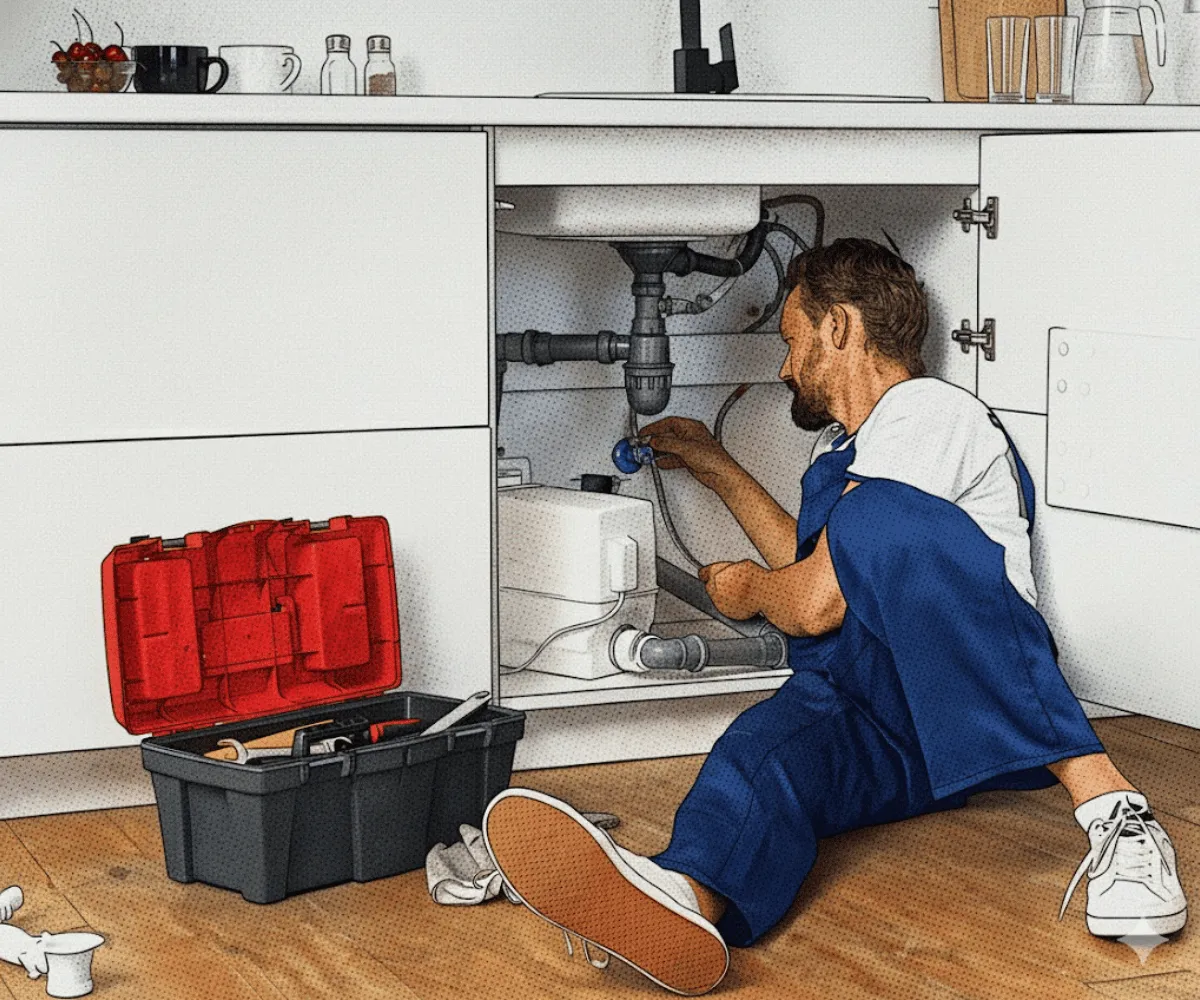


Sink Unblocked! Essential Tips to Fix Your Blocked Sink
A slow-draining or completely blocked sink is one of the most frustrating household issues. Don’t panic! Most minor clogs can be fixed using simple, natural, and inexpensive methods. Here’s a look at the main culprits behind a blocked sink and the best ways to get things flowing smoothly again.
🛑 What Causes a Blocked Sink?
The cause often depends on whether it’s a kitchen or bathroom sink. Knowing the source can help you choose the right fix and, more importantly, prevent future problems!
In the Kitchen:
- Grease, Fat, and Oil (The Big Three): When hot, these liquids slide easily down the drain, but as they cool, they solidify and stick to the inside of your pipes, narrowing the passage and trapping other debris.
- Food Scraps: Even small crumbs, rice, pasta, or coffee grounds can accumulate, especially when mixed with solidified grease.
- Starchy and Expanding Foods: Foods like rice and flour absorb water and can expand, creating a stubborn blockage.
In the Bathroom:
- Hair and Soap Scum: This is the ultimate dream team for clogs. Hair gets caught on the drain’s surface and inside the pipes, while soap scum (formed from the minerals in water and the fats in soap) clings to the hair, creating a massive, matted obstruction.
- Thick Cosmetic Products: Things like clay masks, moisturisers, and toothpaste can harden over time and contribute to buildup.
- Foreign Objects: Accidental drops of dental floss, cotton wool, or small plastic items.
🔧 How to Fix a Blocked Sink (DIY Methods)
For most minor clogs, a plumber isn’t necessary. Start with these household heroes:
1. The Hot Water Flush
This is the simplest solution and works best for grease or soap scum buildup.
- Method: Boil a full kettle of water. Carefully pour the boiling water directly down the drain in two or three stages, pausing for a few seconds between each pour to let the heat work.
- Caution: Avoid this method if you have very old or UPVC plastic pipes, as extreme heat can damage seals. Use very hot, but not boiling, water instead.
2. The Baking Soda and Vinegar Volcano
This natural reaction can help break down grease, scum, and minor buildup.
- Method:
- Clear any standing water from the sink.
- Pour about one cup of baking soda directly down the drain.
- Follow immediately with one cup of white vinegar.
- The mixture will fizz and bubble (the reaction that breaks up the clog). Cover the drain with the plug or a damp cloth to keep the action inside the pipe.
- Let it sit for 30 minutes to an hour (or even overnight for tough clogs).
- Flush thoroughly with hot water.
3. The Plunger Power
A standard kitchen or bathroom plunger can dislodge a stubborn clog using pressure.
- Method:
- Fill the sink with enough water to fully cover the plunger’s rubber cup.
- If you have an overflow hole, seal it tightly with a damp cloth or tape (this is crucial for creating suction).
- Place the plunger firmly over the drain to create a seal.
- Pump the plunger vigorously up and down 10-20 times without breaking the seal.
- Quickly pull the plunger off the drain. The suction and pressure change should dislodge the blockage. Repeat if necessary.
💡 Prevention is Key
The best way to deal with a blocked sink is to stop it from happening!
- Use a Strainer: Place a fine-mesh strainer over the drain to catch hair, coffee grounds, and food particles. Empty it into the bin after each use.
- Dispose of Grease Properly: Never pour cooking oil or grease down the sink. Pour it into a jar or container, let it solidify, and then throw it away.
- Regular Maintenance: Run very hot water down your sink for a minute after using it, and consider a monthly hot-water/baking-soda flush to keep your pipes clear.
If you try all of these methods and the water still won’t drain, the blockage might be deeper in your plumbing system. At that point, it’s time to call a professional plumber!